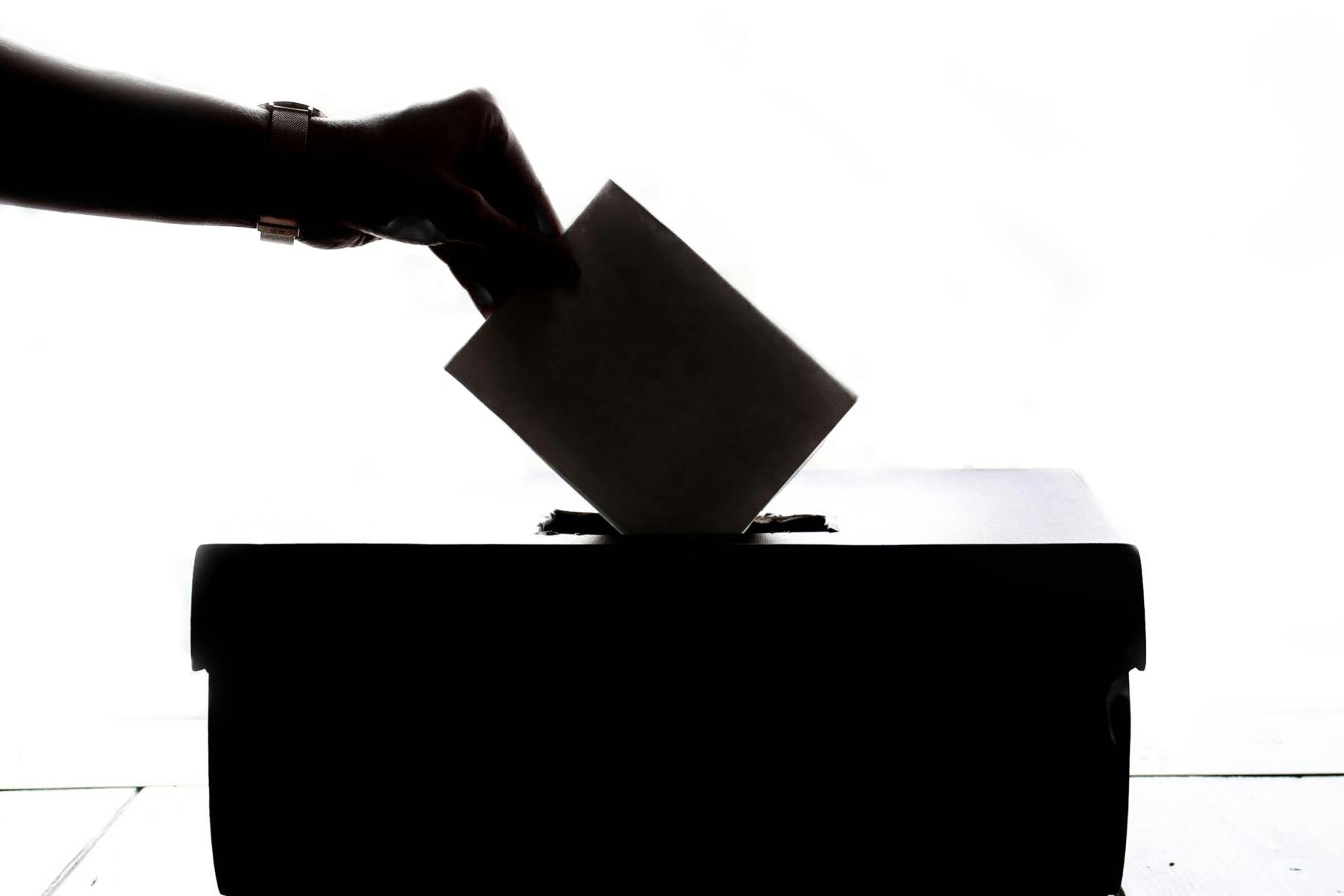
This Saturday, November 28th marks the 2026 Victorian state election, set to bring about one of the most interesting and consequential results in recent memory.
Multiple opinion polls have the Liberal-National coalition as firm favourites to win the vote, buoyed by discontent over the ruling Labor government.
But minor parties like the Greens and One Nation are also rising in popularity, and it’s their preferences which could well determine who leads the state over the next four years.
Here’s our guide on the lower-house seats in Central Victoria, who’s running and what to expect when the ballots are counted.
Bendigo East
Key booths: Eaglehawk, Epsom, Huntly, Strathdale, Junortoun, Strathfieldsaye, Kennington, Spring Gully, Flora Hill, Quarry Hill
Current MP: Jacinta Allan (Labor, retiring)
The seat of the former Premier is set to be closely watched as the results come through on election night. It has been a Labor stronghold since Ms Allan won the seat in a surprise victory during the 1999 vote which saw then-Premier and Liberal party leader Jeff Kennett lose government, in part due to fierce regional backlash against his privatisation and cost-cutting policies. It takes in some of Bendigo’s most affluent and progressive suburbs, which typically vote for Labor or the Greens, while rural parts of the electorate tend to favour the more conservative candidates.
Key Candidates: Secondary school teacher Tim Rickwood has been endorsed as Labor’s contender, but the National Party’s Andrew Lethlean is considered by pollsters as the person most likely to claim victory – he previously contested the 2025 federal election, narrowly losing to the incumbent ALP member. Other names in the running include One Nation’s Cheryl Hawken, the Greens’ Michael Tolhurst, and two independents: Liz Wright and Kristie Hoskins.
Bendigo West
Key booths: Long Gully, Ironbark, Kangaroo Flat, Maiden Gully, Marong, Castlemaine, Maldon
Current MP: Maree Edwards (Labor, retiring)
Another Labor stronghold, this electorate has been held by the party since 1996 – first by Bob Cameron, who became a front-bencher during the Bracks-Brumby government; and then by Maree Edwards, who ended her time as MP in the Speaker’s chair of parliament. Like Bendigo East, it takes in suburbs and rural areas, but also the towns of Castlemaine, Campbells Creek and Maldon, where Labor’s vote has been propped up by Greens preferences.
Key Candidates: Chosen as Labor’s new candidate is Brenton Baldwin, who has a background in the non-for-profit health sector, while the Nationals are fielding accountant and CFA volunteer David Hutchings. The Greens have put forward Liza Shaw, while One Nation’s Ellen Morgan is being tipped as a winner by some pollsters despite a subdued campaign and few interactions with the media.
File Photo
Ripon
Key booths: Maryborough, Dunolly, Clunes, Creswick, Bridgewater, St Arnaud
Current MP: Martha Haylett (Labor)
In terms of size, this is one of the biggest lower-house districts in Victoria, stretching from Wedderburn in the north to Skipton in the south, taking in the town of Ararat as well. It had once been considered a safe seat for the Liberals, until Ms Haylett’s win during the 2022 “Danslide” (referring to then-Premier Daniel Andrews) that saw Labor re-elected to a third term. Her victory was in part due to strong support in booths on Ballarat’s outskirts.
Key Candidates: Ms Haylett is re-contesting the seat and faces two opponents from the Coalition, being the Liberal Party’s Megan Read, and Nationals’ Jo Armstrong. One Nation has put forward Donna Buxton as their contender, while the Greens’ Tim Drylie is an outside chance.
Macedon
Key booths: Kyneton, Daylesford, Taradale, Malmsbury, Woodend, Gisborne
Current MP: Mary-Anne Thomas (Labor, retiring)
Since being established in 2002, the construction of the Calder Freeway and introduction of fast-rail has transformed this electorate, allowing residents to easily commute to Melbourne for work or leisure while retaining a country lifestyle; that in turn has attracted progressive voters to the area, including city-folk wanting a tree-change or cheaper housing. It replaced the District of Gisborne which over 32 years was held by three Liberal Party MPs.
Key Candidates: No less than three former Mayors of the local council are running for this seat – Annette Death (Labor), Kate Kendall (Liberal), and Dom Bonnano (Independent). Also contesting are Marley McRae-McLeod (Greens), Natalie Korinfsky (Animal Justice Party) and Damien Parolin (One Nation).
File Photo
Murray Plains
Key booths: Echuca, Rochester, Kyabram, Boort, Cohuna
Current MP: Peter Walsh (National Party, retiring)
The “newest” district on this list first elected a candidate in 2014, with Mr Walsh having previously served as MP for the abolished seat of Swan Hill. He was then elevated to leadership of the Victorian Nationals and held the role until November 2024, when he was succeeded by Gippsland South’s Danny O’Brien. This is considered a very safe electorate for the Nats, owing to its strong links to the agricultural industry.
Key Candidates: Former president of the Victorian Farmers Federation, Brett Hosking will contest for the Nationals, with Gannawarra Shire councillor Garner Smith looming as his most-likely challenger. Labor has put forward Christine Grundy, whose preferences may determine who wins.
Got any scoops on the state election? We’re ready to receive them via BendigoNews@ARN.com.au