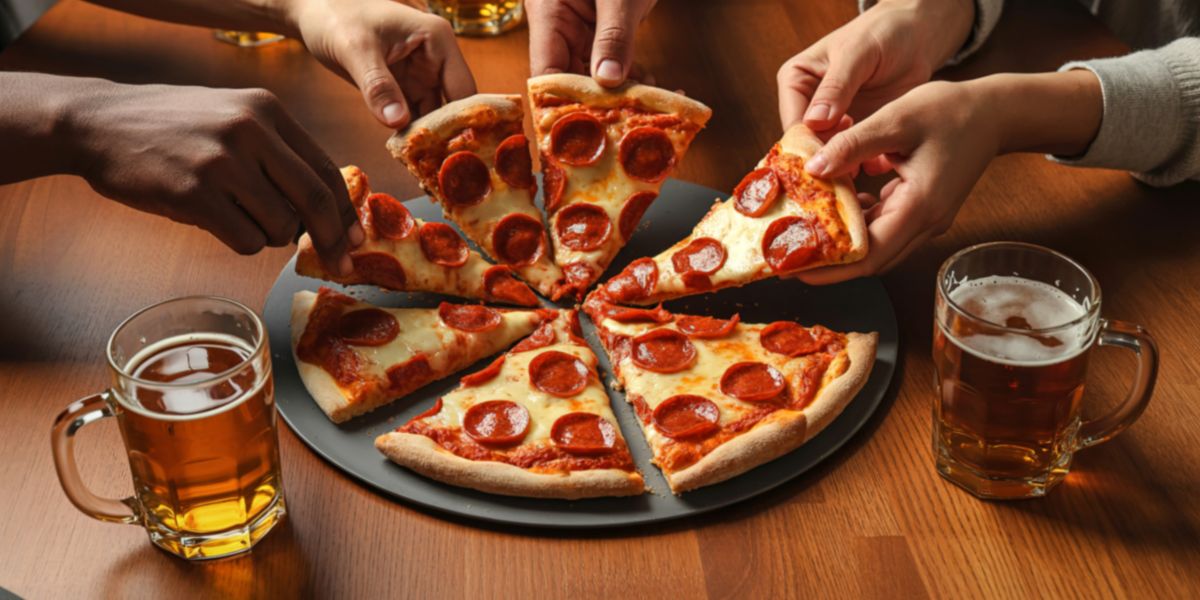
We have all been there. You are a few glasses into a relaxed evening with friends, and suddenly, the humble bowl of nuts on the table is no longer cutting it. Your brain is screaming for something salty, greasy, and undeniably satisfying—be it a late-night pizza delivery or a massive bag of potato chips.
For years, we chalked the “midnight munchies” up to a simple lack of willpower or the casual lowering of inhibitions that comes with a drink. However, new research from the University of Sydney’s Charles Perkins Centre reveals that your late-night kebab craving is actually driven by a complex hormonal trick.
The Hormone Behind the Craving
Published in Obesity Reviews, the Australian study looked into how alcohol manipulates our baseline biology. It turns out that consuming alcohol triggers a pathway that spikes levels of a specific hormone called FGF21.
This hormone has a very particular job: it regulates our appetite for protein and draws us toward savoury, umami flavours.
Historically, this was an excellent survival mechanism. When human ancestors needed protein to rebuild muscle and keep their bodies functioning, FGF21 would nudge them toward savoury foods like meat or seafood.
In the modern world, however, our food landscape has dramatically changed, and our biology has not quite caught up.
Beware of the “Protein Decoys”
This is where things go downhill for our waistlines. Modern food production has mastered the art of replicating those deep, savoury, umami flavours using artificial ingredients and ultra-processed methods, without actually including any real nutrient value.
The researchers call these foods “protein decoys.”
When you drink, your elevated FGF21 levels demand protein. You reach for a packet of chips or a slice of cheesy pizza because your brain identifies those salty, savoury flavours as a source of protein. But because these ultra-processed options are actually low in protein and high in fats and carbohydrates, your body remains unsatisfied.
As a result, you keep eating more and more of the decoy food, trying to satisfy a biological signal that a potato chip can simply never fulfil.
“Cravings for a packet of chips with a drink (sometimes referred to as the “aperitif effect”), a pizza at the end of a big night out, or a fry-up the next morning may be driven by the way alcohol alters the body’s regulation of appetite, particularly for protein,” said senior author, Professor David Raubenheimer from the Charles Perkins Centre.
“Our study suggests that when dietary protein is diluted, people compensate by eating more overall to satisfy the increased protein appetite induced by alcohol. In this way, alcohol may contribute to overeating particularly when ultra-processed, low-protein savoury foods are readily available,” he said.
Interestingly, the hormone has the exact opposite effect on your sweet tooth. The spike in FGF21 actually dampens your desire for sugar, which explains why you rarely see people pairing a glass of wine with a bowl of ice cream or a plate of iced cupcakes.
It Is Not Just Liquid Calories
This breakthrough helps explain why alcohol affects people’s weight so differently. For a long time, health advice focused strictly on the calories inside the glass itself. But this study proves that the surrounding dietary environment matters just as much, if not more.
If you are drinking in an environment surrounded by minimally processed, wholesome foods, your total energy intake remains relatively stable. If you are surrounded by low-protein, ultra-processed savoury snacks, you are highly likely to overeat.
So, how do we outsmart our own hormones? The research team suggests changing what you keep in the cupboard for a night in, or what you order alongside a drink.
Instead of fighting a losing battle against your biology, lean into the protein craving with whole foods. Having options like roasted chickpeas, smoked salmon, lean cold meats, or even fresh prawns readily available will satisfy the FGF21 signal quickly, stopping the endless snacking cycle before it starts.