Amateur prospectors need to be mindful of their environmental obligations when searching for gold.
That message comes directly from Resources Victoria, the authority which oversees both commercial and recreational mining activity in the state.
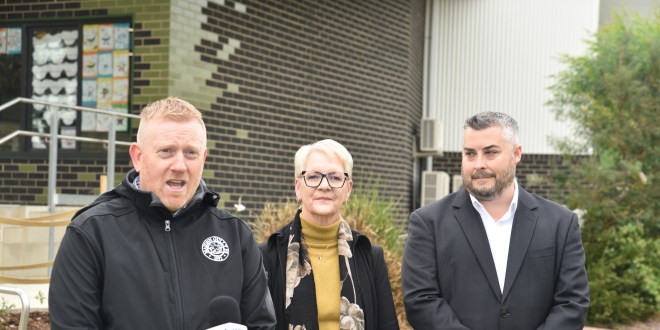
The organisation’s chief inspector, Renee Palmer says while the majority of the state’s 115 thousand registered fossickers are doing the right thing, a small portion are causing damage to the environment.
“What we see in terms of damage… [is] people are digging large holes and filling them in, which is creating erosion in waterways, and in some of our soils around state parks or regional parks,” Ms Palmer told our newsroom.
And it’s a problem that could be made worse by this week’s forecast heavy rain.
“That rainfall can dislodge banks and otherwise in waterways that have had some fossicking or prospecting, where people have dug holes [and caused] erosion, and it also creates a safety risk for other fossickers or prospectors in the state, should they return to those areas,” she explained.
For that reason, anyone who searches for minerals or gems is encouraged to “leave it as you find it” by backfilling and replacing removed material, such as soils or leaf litter, to prevent the risk of further damage to the environment.
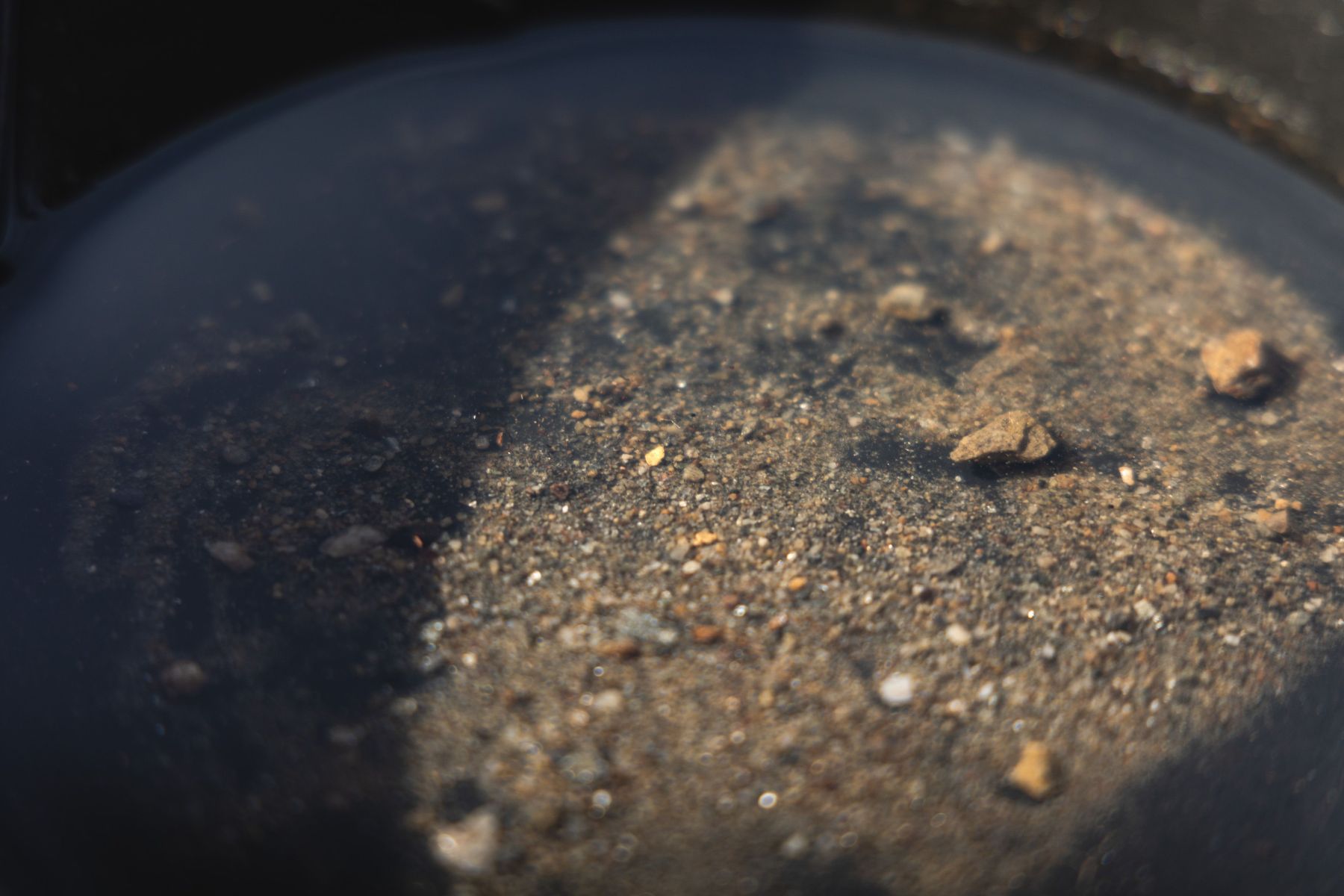
Victoria is in the midst of a second gold rush, with experts reckoning deposits of the precious metal are still waiting to be found locally – particularly near Maryborough and Dunolly – and in the state’s north-east.
Ms Palmer encourages those who wish to hunt for gold to first buy a Miner’s Right, which can be obtained through Services Victoria or an authorised agency.
“It’s pretty good value, I think – $28.60 for ten years’ of lawful prospecting,” she said.
More information can be found on Resources Victoria’s website.
Is there an issue you want explored by our newsroom? Let us know via BendigoNews@ARN.com.au